Start with contents already approved for removal
A rental turnover cleanout works best when the removal decision is settled before the crew is scheduled. The property manager or other authorized representative should identify the specific contents approved to leave and the belongings or fixtures that must remain. A crew arriving to haul should not be asked to decide the status of someone else’s property.
Resolve any uncertainty about which contents can be removed before including them in the job. This article covers the practical removal brief, rather than deciding ownership, disposal rights or a tenancy process.
Give the project one readable brief
Put the work areas, item list and approval contact together. A concise brief helps distinguish a single-unit pickup from contents removal across several rooms or properties. Identify each unit or work area separately so a photo from one space is not mistaken for another.
An example brief could read: “Remove the approved sofa, bedroom furniture and boxed contents from Unit A. Kitchen appliances and built-in cabinets stay. One representative will meet the crew and approve the onsite estimate. Work is limited to this unit and its assigned storage area.”
- Included areas and items approved for removal.
- Keep items, fixed fixtures and excluded spaces.
- Building access, loading rules and permitted work times.
- The person reviewing the scope and approving the price.
Coordinate the building, not only the unit
Check parking, loading access, door arrangements and any elevator reservations before requesting a time. Tell the network whether the route passes through shared hallways, stairs, courtyards or a distant loading area. Mention requirements for vendor check-in or accompaniment.
Confirm who can open the property and stay available for questions. If another contractor controls the work area, coordinate access with that person too. A reserved elevator or a locked gate can affect the visit just as much as the amount of furniture.
Make changes visible before loading
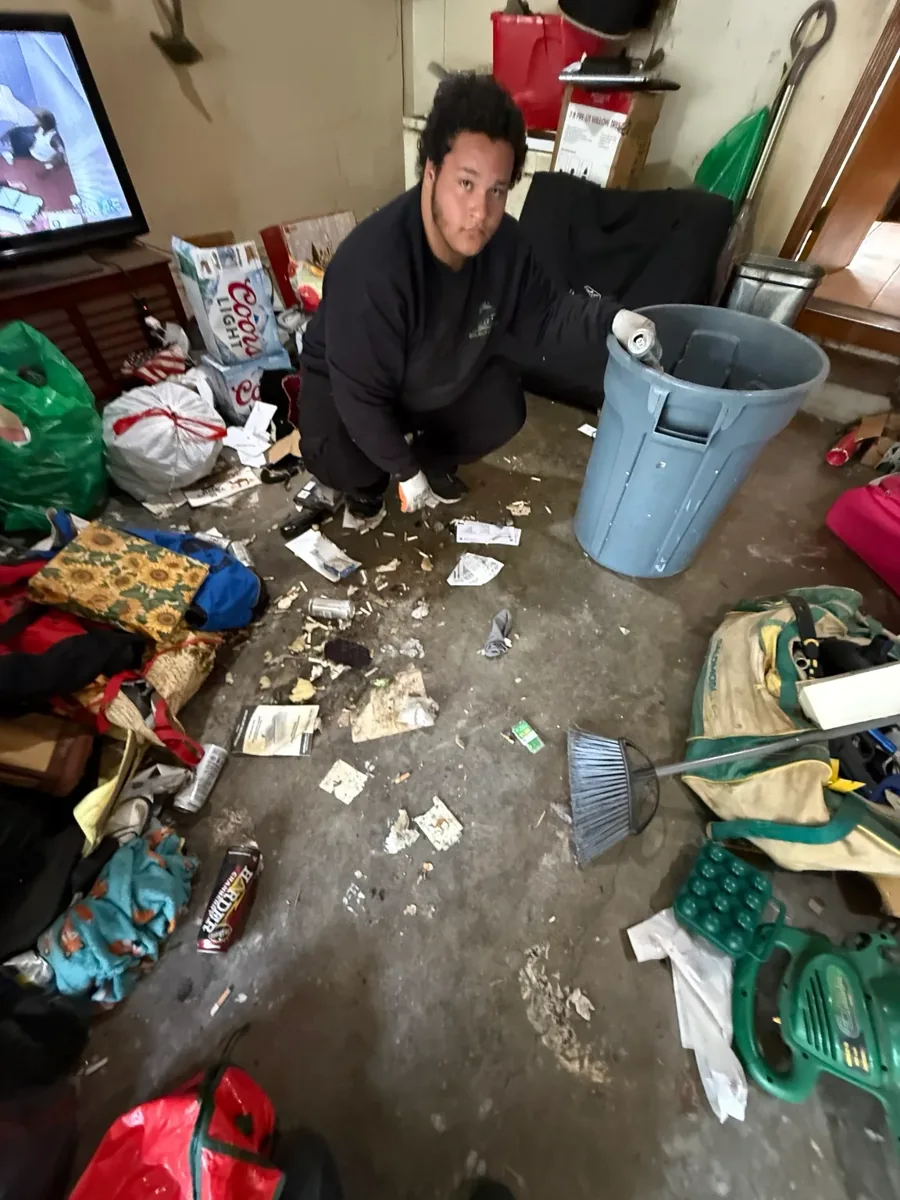
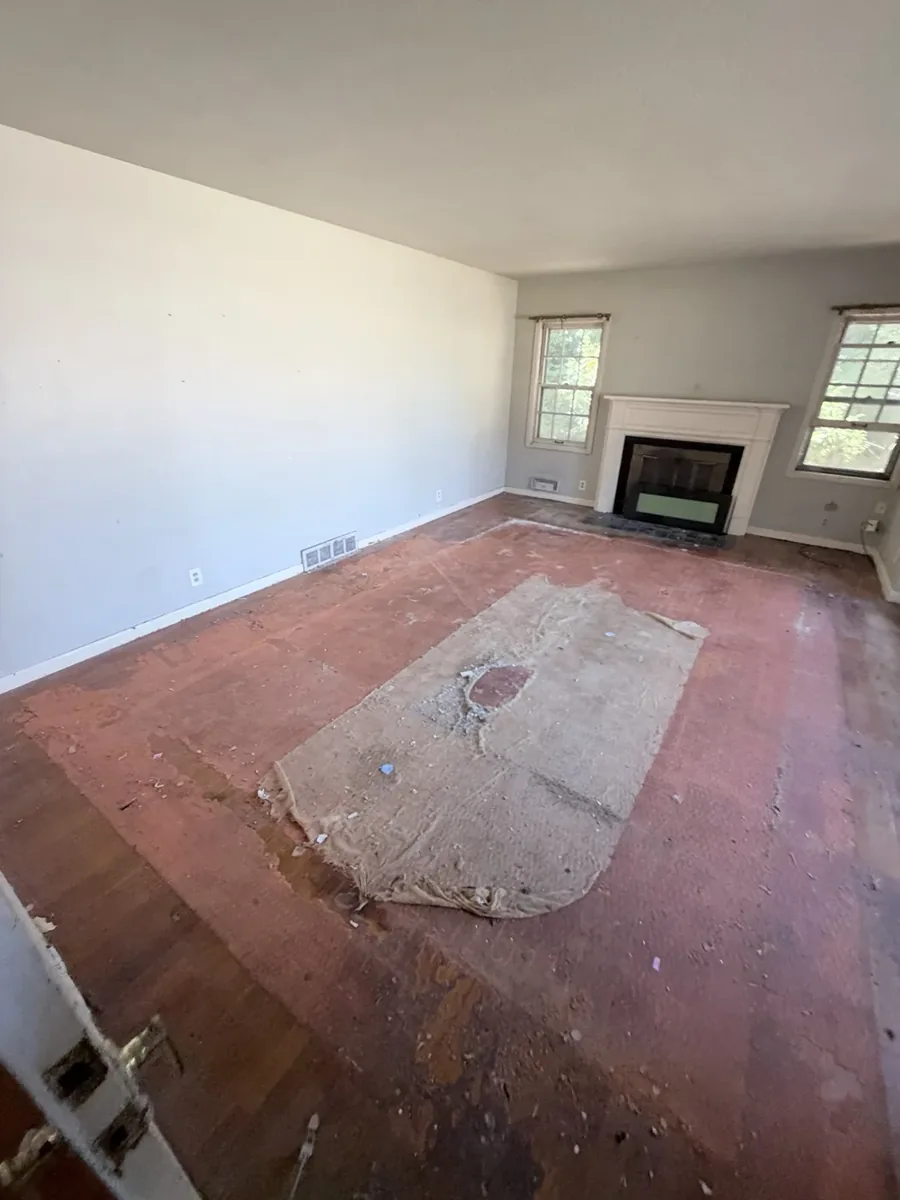
Provide current photos of each included room and storage area. If items have been added, removed or moved into another room since those photos were taken, update the team. Point out unusually heavy pieces, uncertain materials and anything needing separate handling review.
Walk through the brief onsite. Confirm removal boundaries and the total before loading. Volume, weight, carrying routes and agreed extra work determine the estimate; a photo of another completed turnover does not establish a price for this one.
Keep the handoff to other work clear
Contents removal is one stage of a turnover. Repairs, flooring, painting, deep cleaning and moving retained belongings require their own arrangements. Tell the team which stage follows removal and the date you are working toward, without assuming the estimate visit guarantees completion by that deadline.
After the agreed loading is finished, review the cleared areas with the crew. Compare the result with the approved brief, confirm what stayed, and identify the next point of contact for the property’s remaining work.
Arrange the estimate through the network
PNW Cleanouts showcases real JunkPDX work and explains cleanout planning. Bring your removal brief to the PNW Junk Removal network to check coverage and arrange an estimate. Current local work is through JunkPDX in Portland metro, Vancouver, Washington, and south to Woodburn. Seattle and Boise customer booking remains closed.
YOUR NEXT STEP
Make a plan for your space.
Check your pickup address and arrange your free onsite estimate through PNW Junk Removal. Current local removal is through JunkPDX in Portland metro, Vancouver, Washington, and south to Woodburn.
Arrange a cleanout through PNWThe onsite scope and total are approved before loading. Larger cleanouts may need a separate work plan.