Start with the full property scope
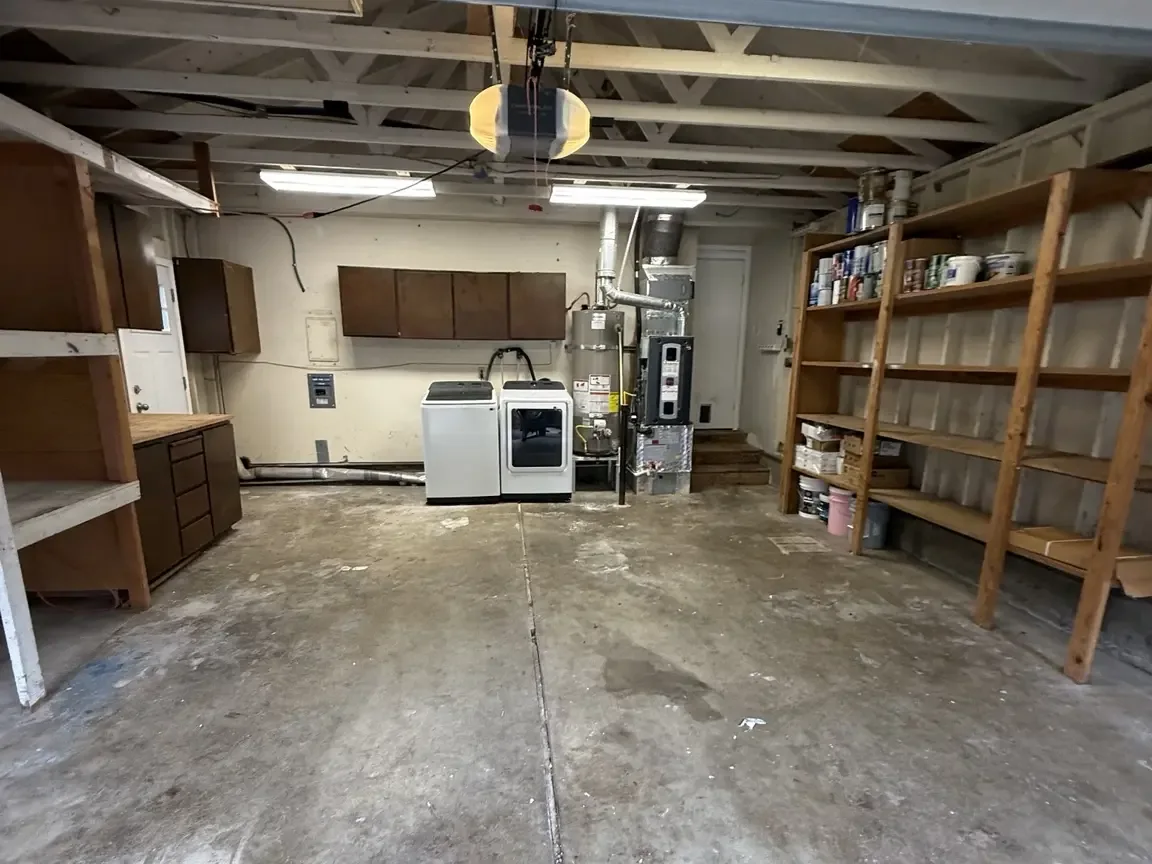
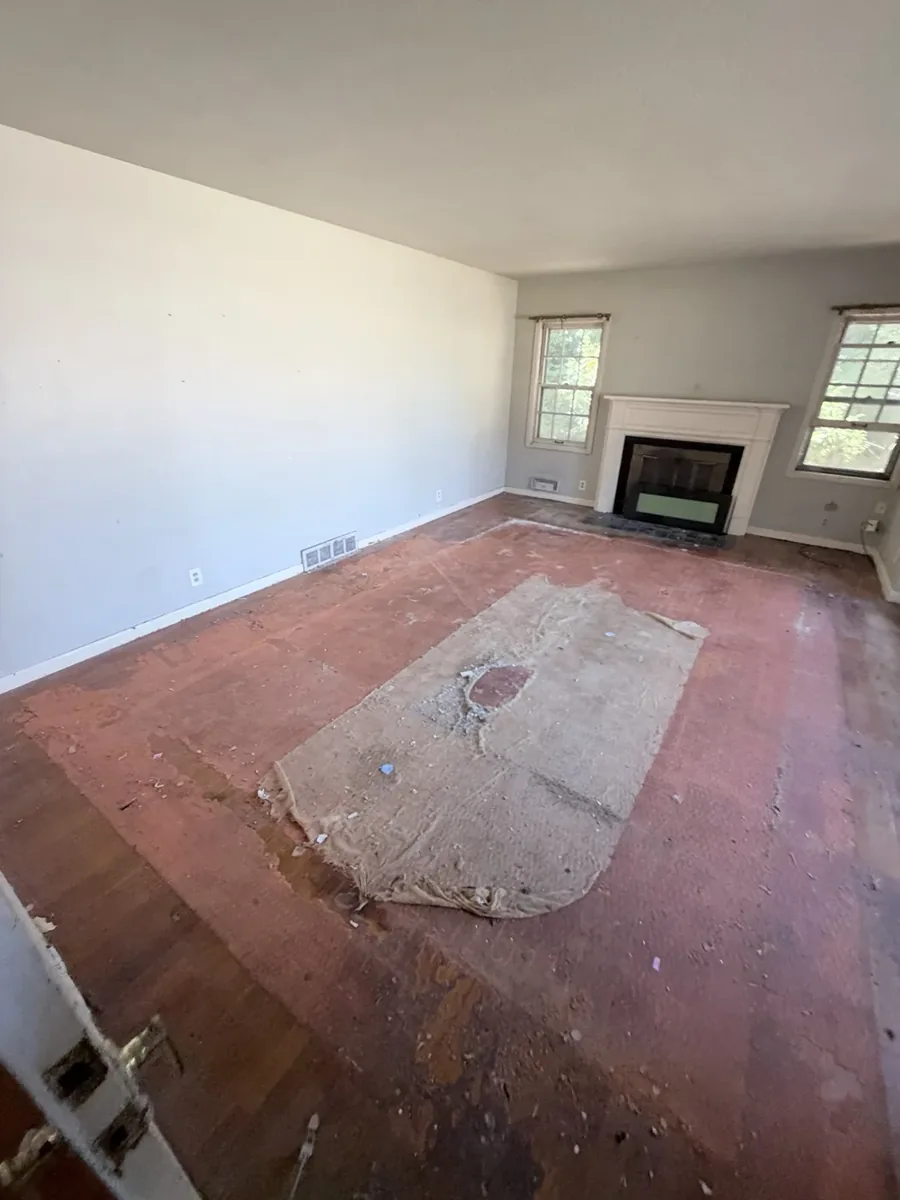
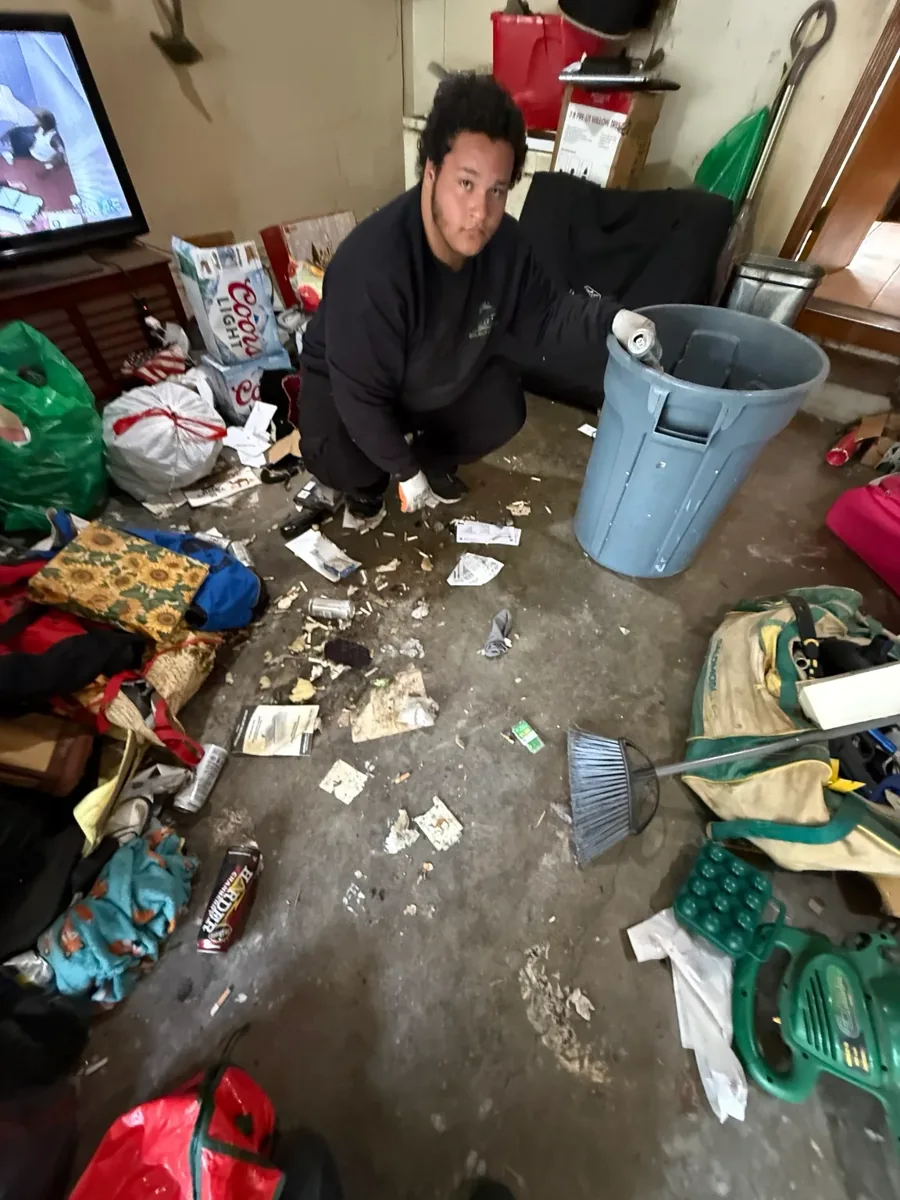
A property cleanout estimate needs a view of every area included in the work. A living room, garage and outdoor storage pile may belong to one project, but they can involve different contents and different carrying routes. Describing only the largest pile can leave important work out of the first conversation.
Walk the property and make a short list of removal areas. Include rooms, cupboards, garages, storage areas and outdoor piles you want reviewed. Name areas that are excluded as well. This helps distinguish the contents being removed from the parts of the property that remain untouched.
Give each area its own photos and description
Take wide photos from more than one angle when a room or pile cannot be seen clearly from the entrance. Add close views of large or unusual items. Keep the descriptions connected to the photos so the team can tell which contents belong to which area.
For example, a request could say: “Living room furniture, the boxed contents along the garage wall, and the outdoor pile beside the shed are included. The upstairs rooms and everything inside the shed stay.” That description sets a much clearer boundary than “whole property cleanout.”
Account for contents that are easy to miss
Look behind bulky furniture and note cupboards, closets or storage spaces that belong in the scope. If boxes contain material you cannot identify, say that rather than assuming their weight or contents. Tell the team about anything you expect to add before the visit.
Also identify keep items and belongings awaiting a decision. Documents, valuables, photographs and personal keepsakes should be separated before removal. If a family member or property representative needs to approve certain contents, settle those decisions before adding them to the removal list.
Explain weight and access alongside volume
Two piles that look similar can involve different amounts of work. Material weight, unusually heavy items, stairs and long carrying distances all matter alongside truck space. Describe those details without trying to calculate an exact load from the photos.
Explain where the crew can park and how it will reach each removal area. Mention gates, narrow entrances, building access rules or elevator arrangements. Flag unknown materials or anything needing special handling for review. The team needs to assess the work rather than assume that every pictured item can be accepted.
Share the deadline, then review the onsite plan
Tell the team about the date you are working toward, such as a move-out or property handover. Include access restrictions and who can authorize the scope and approve the estimate. A deadline helps explain the project, but the work date still needs confirmation.
Photos can support a useful initial range. The onsite review brings the actual contents, weight, access and agreed work together. Review the complete scope and total before loading begins. A larger project may need multiple loads, additional labor or a separately scheduled work plan; a photo range alone does not confirm those arrangements.
Keep removal separate from the next property stage
A contents-removal estimate does not automatically include packing belongings you are keeping, moving them elsewhere, estate-sale management, repairs, demolition or deep cleaning. If your transition needs other work, identify it separately instead of assuming it is part of the cleanout.
PNW Cleanouts is a work showcase. Continue through the PNW Junk Removal network to check coverage and arrange your estimate. Current local cleanouts are through JunkPDX in Portland metro, Vancouver, Washington, and south to Woodburn. Seattle and Boise customer booking remains closed. Bring your area list, photos and access notes to make that next step more useful.
YOUR NEXT STEP
Make a plan for your space.
Check your pickup address and arrange your free onsite estimate through PNW Junk Removal. Current local removal is through JunkPDX in Portland metro, Vancouver, Washington, and south to Woodburn.
Arrange a cleanout through PNWThe onsite scope and total are approved before loading. Larger cleanouts may need a separate work plan.